Jul 26, 2026Custom Guides
The Ultimate Guide to Choosing a Gua Sha Manufacturer
This guide will walk you through everything you need to know to find a global gua sha tool partner that can bring your vision to life with craftsmanship and consistency.
The global gua sha tool market is experiencing remarkable growth, with projections suggesting it could reach USD 1,337 million by 2035, up from USD 642.5 million in 2025 This surge in popularity means more brands than ever are seeking reliable manufacturing partners. However, choosing the right gua sha manufacturer is a strategic decision that defines your product’s quality, your brand’s reputation, and your customer's experience.
This guide will walk you through everything you need to know to find a partner that can bring your vision to life with craftsmanship and consistency.
- Understanding Gua Sha Materials: The Foundation of Quality The material of a gua sha tool determines its feel, durability, and safety. A professional manufacturer should offer expertise in a range of high-quality materials.
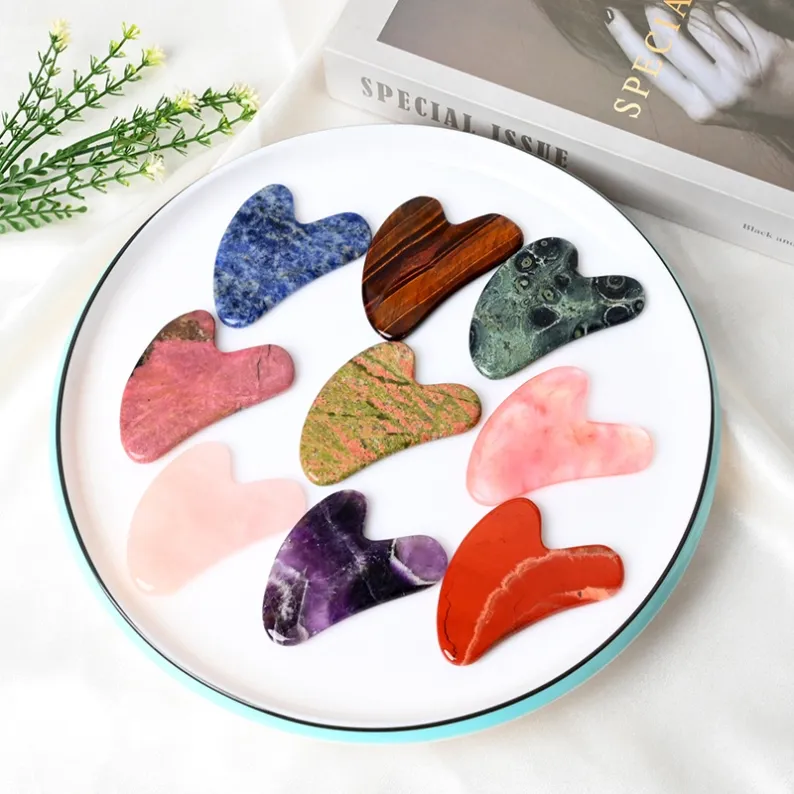
Natural Stones (Jade, Rose Quartz, Amethyst): The most traditional and popular choice. Quality depends heavily on the stone's grade and the precision of the cutting and polishing process. Authentic, high-grade stones offer a smooth glide and consistent appearance. Beware of "jade" that is actually dyed marble or resin.
Stainless Steel: Highly valued for its durability, hygiene, and ease of cleaning. It's a great option for professional or clinical settings. Manufacturers like those in Guangdong often specialize in 304 stainless steel tools with custom finishes.
Wood (Beech, Ash, Maple): Increasingly popular for its natural warmth and lightweight feel. High-density hardwoods allow for smooth, ergonomic edges. Manufacturers must have meticulous sanding and sealing processes to ensure the surface is non-porous and stable for skin contact.
Bian Stone: Revered as the "ancestor of Gua Sha" in Traditional Chinese Medicine, Bian stone is a unique material with historical significance. It is believed to have originated from meteorite impacts millions of years ago and is prized for its potential to improve microcirculation.
Key Question for Your Manufacturer: “Can you provide certification and traceability documentation for your raw materials to prove their authenticity and safety compliance for markets like the EU and US?”
- The Manufacturing Process: Where Craftsmanship Meets Precision A high-quality gua sha tool is the result of a meticulous process. Understanding this helps you evaluate a manufacturer’s capability. The production of a premium tool generally involves several key stages:
Material Selection & Verification: Sourcing high-grade, certified raw materials is the first and most crucial step.
Cutting & Shaping: The rough material is cut and then refined into the tool's form. This stage is critical for determining the ergonomics and comfort of the grip.
Detailed Shaping & Polishing: Skilled artisans or advanced CNC machinery create the smooth, non-abrasive edges that allow the tool to glide effortlessly over the skin without causing friction or irritation. This often requires multiple cycles to achieve a flawless finish.
Quality Control Inspections: Throughout the process, rigorous visual and mechanical inspections are carried out. These checks look for cracks, uneven edging, color inconsistencies, and any surface imperfections. Only tools that pass these stringent checks are approved for packaging.
- Key Supplier Selection Criteria Choosing a manufacturer goes beyond comparing prices. A strategic partnership requires a deep evaluation of their capabilities.
Production Capacity & Infrastructure:
Factory Size & Equipment: Assess their ability to scale. For example, some large-scale facilities in Guangdong boast areas of 4,800+ m² and workforces of over 80 employees, indicating robust capacity for large-volume orders.
Technology: Are they using modern CNC machinery for precision, or are they primarily handcrafting pieces? The right balance depends on your product needs.
Quality Assurance (QA) & Material Authenticity:
Certifications: Look for ISO 9001 certification as a baseline. For stricter markets, FDA or REACH compliance is a major plus.
Testing: Demand gemological certificates for stones and test reports for product safety. A partner should be transparent about their QC processes.
Customization Options:
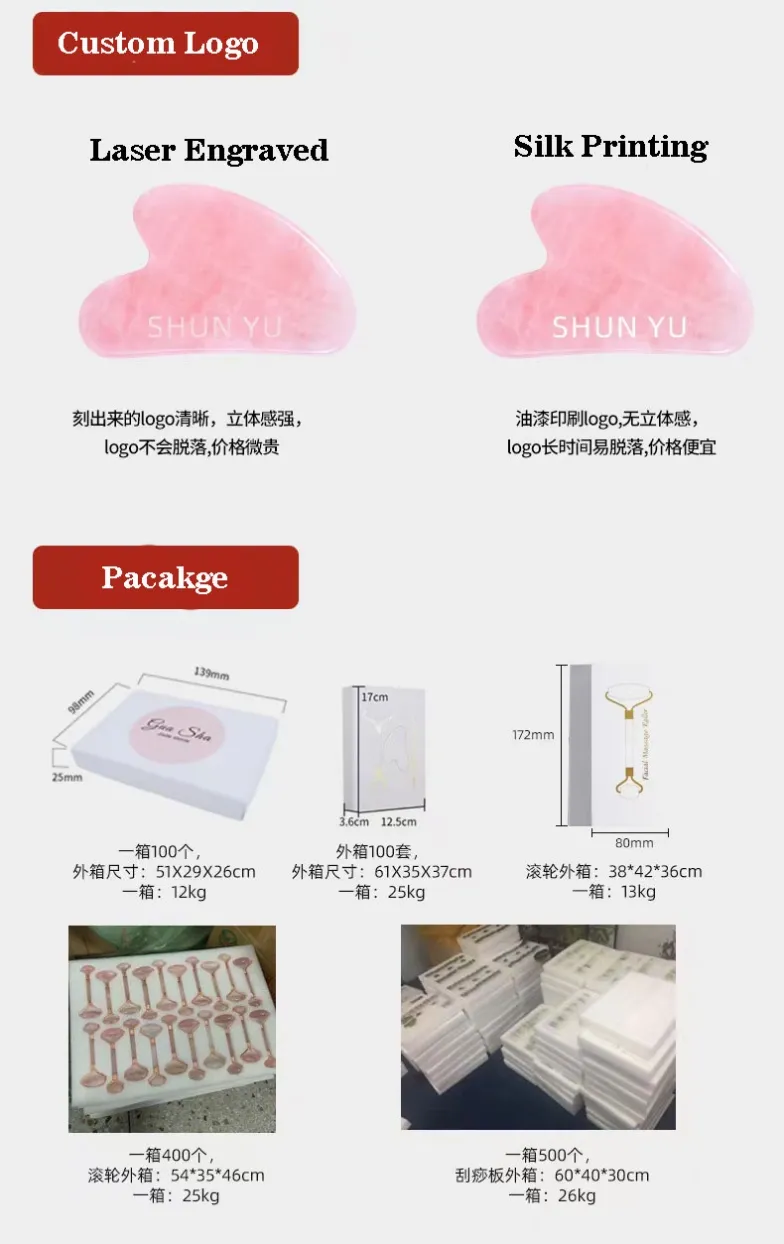
Branding: Can they support laser engraving, silk printing, or debossing for your logo?Engraving is often recommended for its durability-3.
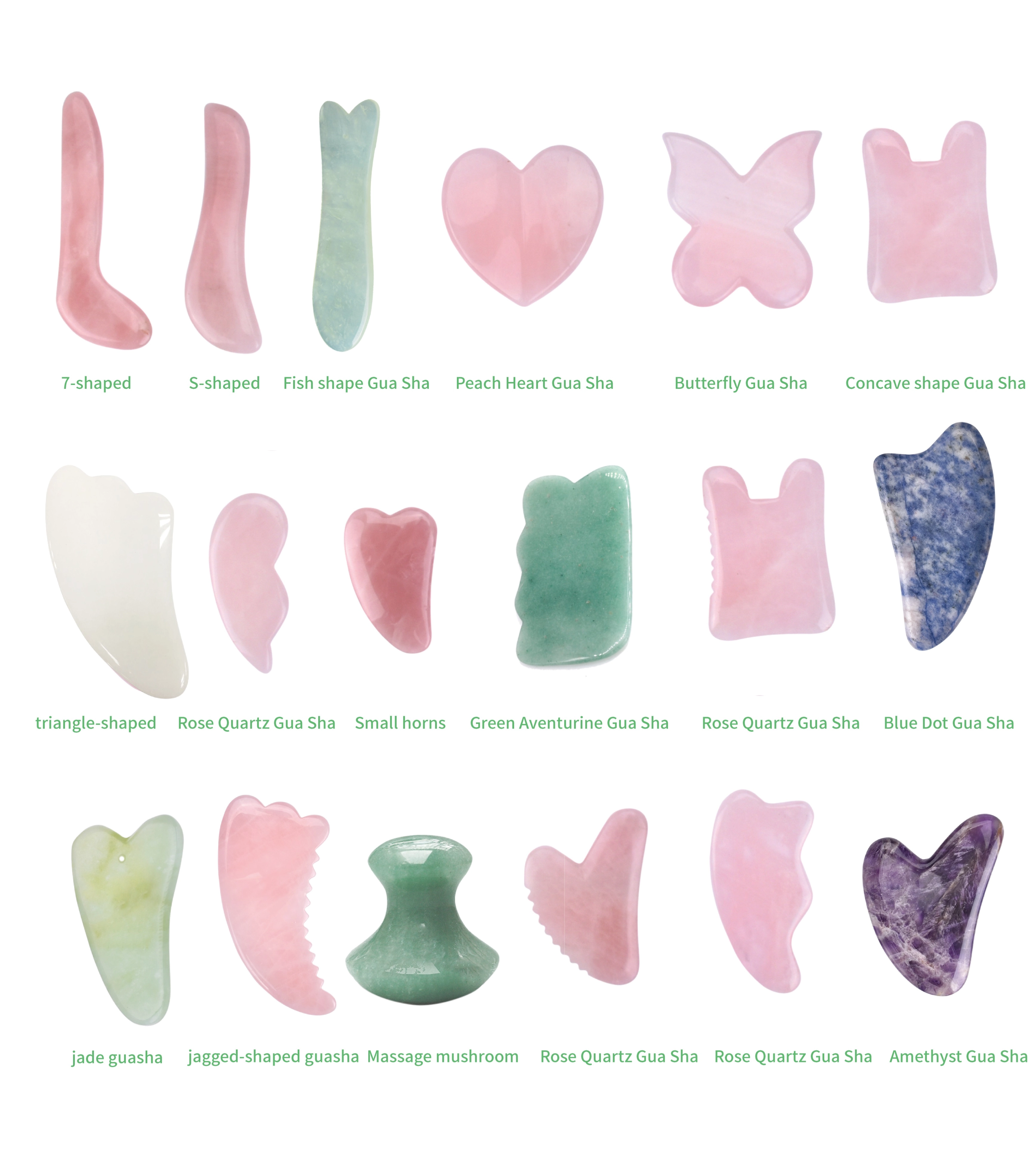
Shape & Packaging: A great manufacturer will help you develop bespoke shapes to stand out and offer custom retail-ready packaging to enhance brand perception-1-3.
Operational Reliability:
On-Time Delivery (OTD): A high OTD rate (e.g., 98.5% to 100%) is a key indicator of a supplier’s operational discipline.
Communication Speed: Fast response times (e.g., ≤2 hours) are critical for smooth project management, especially when dealing with time differences.
- Your Strategic Partner in Dongguan Finding a partner who excels in all these areas can be challenging. This is where we at Facerollerguasha.com, based in the manufacturing hub of Dongguan, Guangdong, position ourselves as your ideal solution.
Our location in the Pearl River Delta gives us direct access to advanced tooling and a skilled workforce, allowing us to combine traditional craftsmanship with industrial precision for consistent, high-quality output. We offer the full spectrum of services you need:
Material Expertise: From premium jade, rose quartz, and Bian stone to high-grade stainless steel.
Full Customization (OEM/ODM): We help you develop custom shapes, engrave your logo, and create bespoke packaging that reflects your brand identity.
Rigorous Quality Control: We stand by our products with documented quality assurance and material compliance.
Scalability: Whether you are a startup needing a flexible MOQ or an established brand requiring large-scale production, our infrastructure can grow with you.
Conclusion: Building a Long-Term Partnership
Selecting a gua sha manufacturer is about much more than a single transaction; it is about finding a partner who can translate your design ideas into tools that are both beautiful and reliable. The best partners combine material expertise with a commitment to quality, customization, and open communication. By prioritizing these factors, you can build a resilient, compliant, and scalable sourcing program that elevates your brand for years to come.