Sep 21, 2026
Stone vs Stainless Steel Gua Sha: Which Should Your Brand Launch in 2027?
Stone or stainless steel gua sha for your product line? Compare feel, durability, hygiene, MOQ and margins with real specs from our rose quartz, lemon jade and stainless steel collections. Private lab
Stone vs Stainless Steel Gua Sha: Which Should Your Brand Launch in 2027?
Gua sha is no longer a trend piece — it is a fixture in skincare routines worldwide, and for beauty brands it has become one of the lowest-risk, highest-attachment products to private label. The first question every brand owner asks us is the same: should we launch stone or stainless steel? The honest answer is that both sell — but they win with different customers, different price points and different retail strategies. Here is the comparison we walk our OEM clients through, based on real production data.
Quick Comparison
| Stone (Rose Quartz / Jade) | Stainless Steel |
|---|---|---|
Feel | Smooth, warm-touch, natural grain; holds coolness when chilled | Ice-cold touch, mirror glide, weighty and solid |
Durability | Can chip or crack if dropped | Nearly indestructible, rust-proof |
Hygiene | Micro-porous surface, needs careful drying | Non-porous, fully sanitizable — spa favorite |
Price positioning | Mid-range, gift-friendly | Premium feel, higher perceived value |
MOQ (ours) | From 100 pcs | From 100 pcs |
Best for | Beauty & wellness brands, gift sets | Pro/spa retail, modern minimalist brands |
The Case for Stone: Giftable, Natural, Emotion-Driven
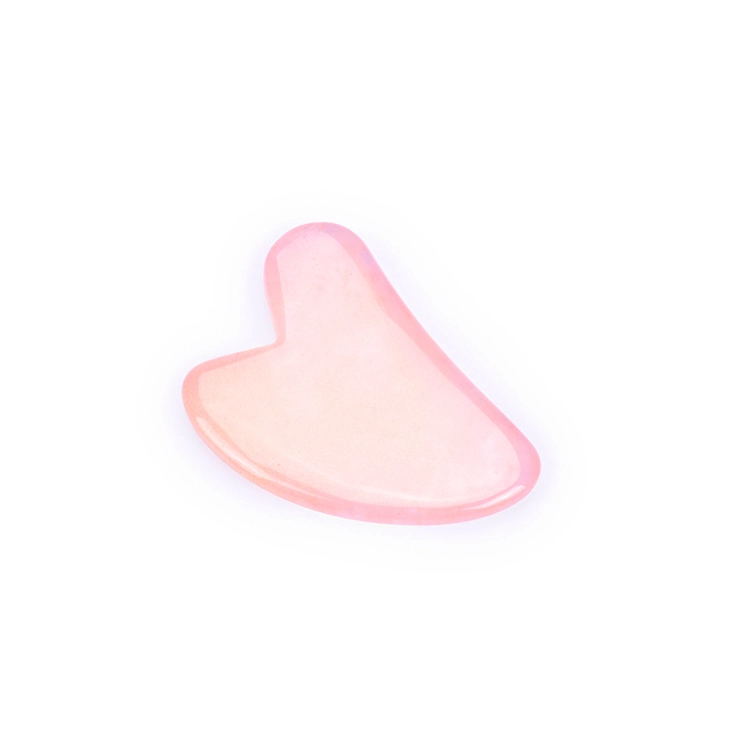
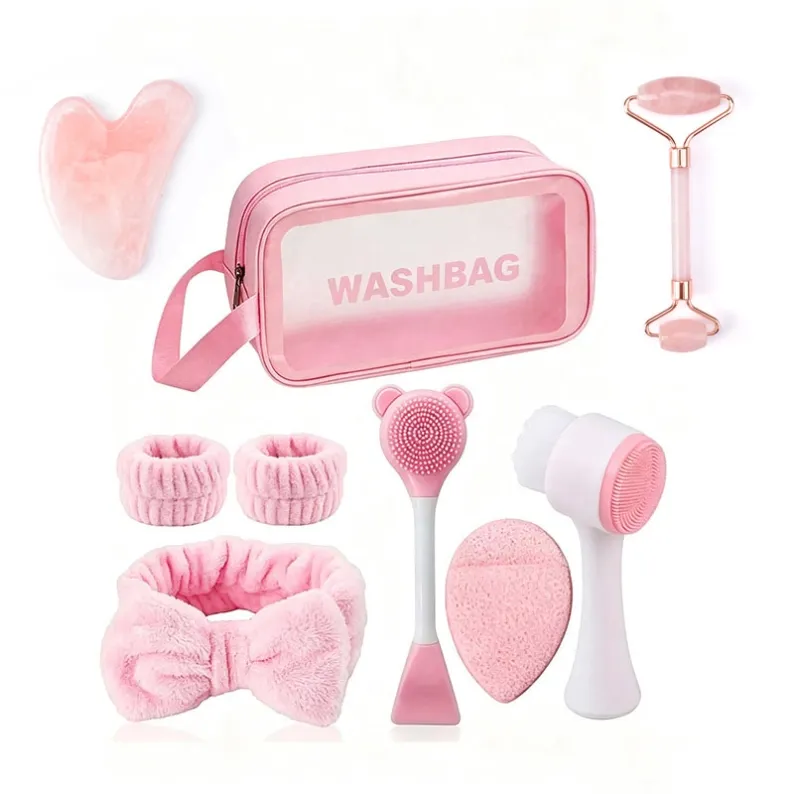
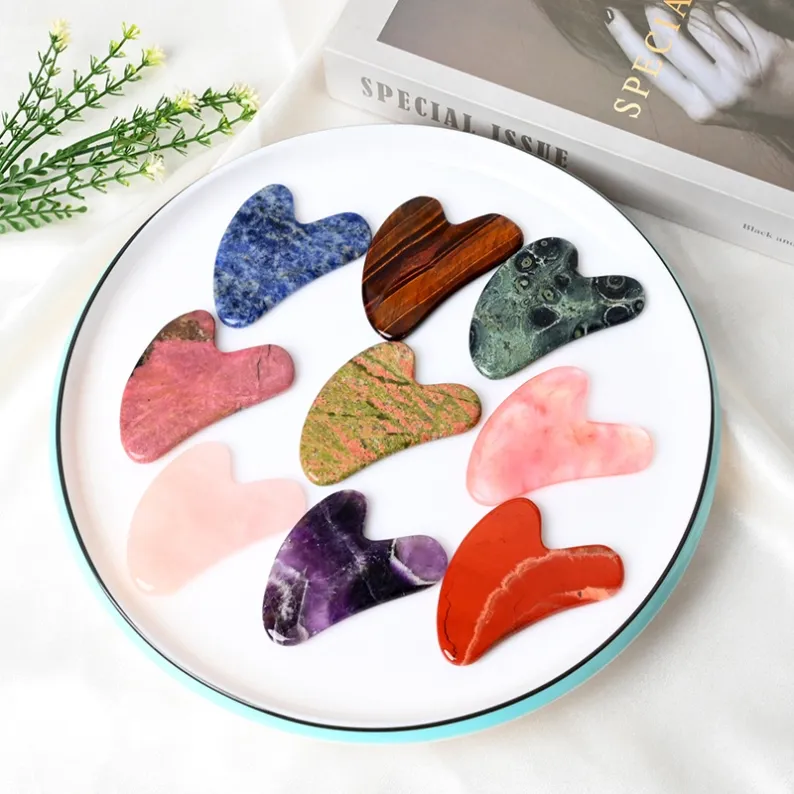
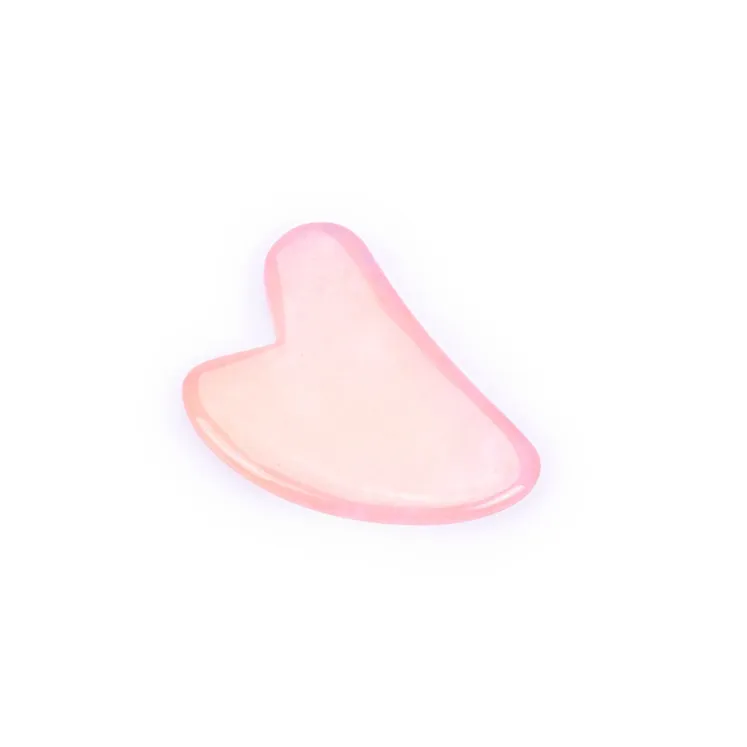
Stone tools sell a story. Rose quartz reads as self-care and femininity; jade carries heritage and cooling tradition. Our rose quartz heart gua sha remains one of the most re-ordered SKUs among gift-set brands, and natural variations in the stone actually work in your favor — no two pieces are identical, which shoppers treat as a premium feature. Pair a stone gua sha with a rose quartz face roller and you have a ready-made bundle that consistently performs in Q4 gifting (see our holiday gift set guide).
The trade-offs: stone is heavier to freight-protect, needs foam or box packaging to survive drops, and micro-pores mean it should be dried properly between uses. For most e-commerce brands these are packaging problems, not deal-breakers.
The Case for Stainless Steel: Durable, Hygienic, Premium-Touch
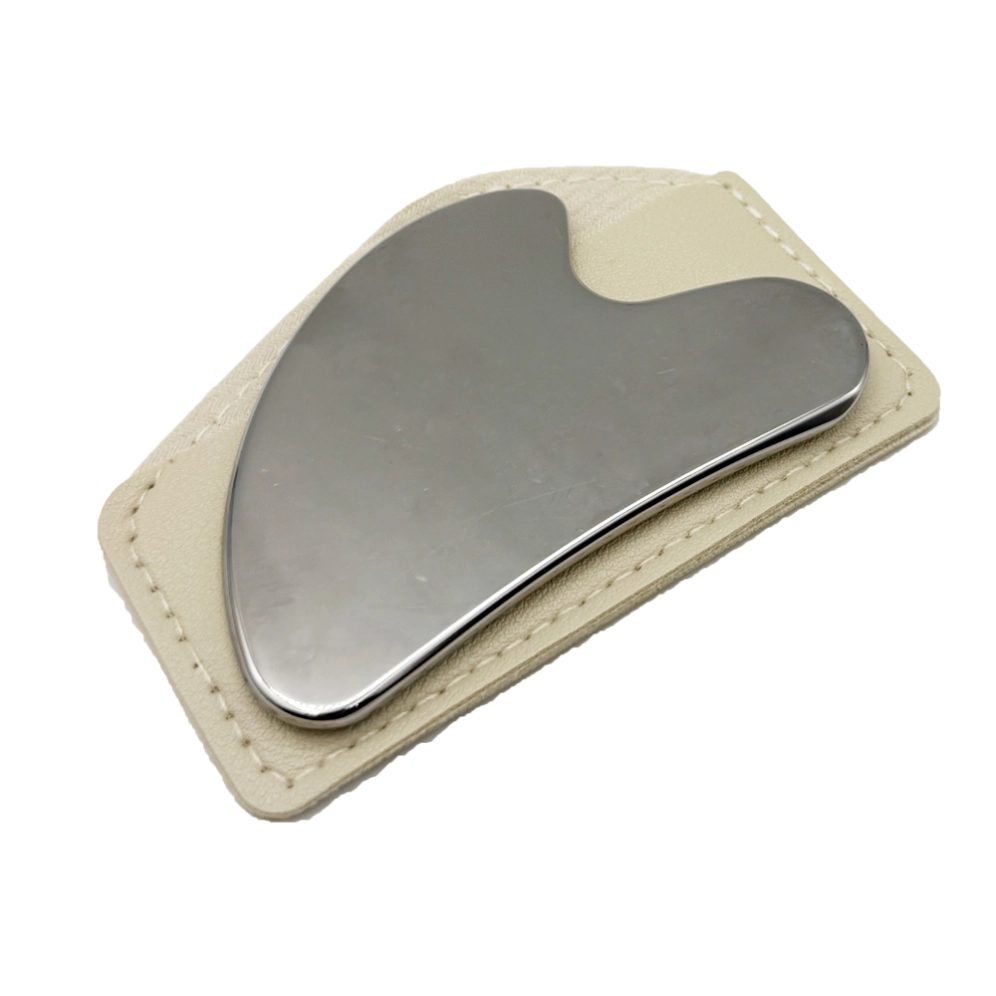
Metal tools are winning ground with professional and minimalist audiences. A heart-shaped stainless steel gua sha is non-porous, sanitizable between clients and virtually unbreakable — which is exactly why spas and facial studios specify steel. The cool-touch surface also supports the lymphatic-drainage routine without refrigeration, a detail reviewers love to mention.
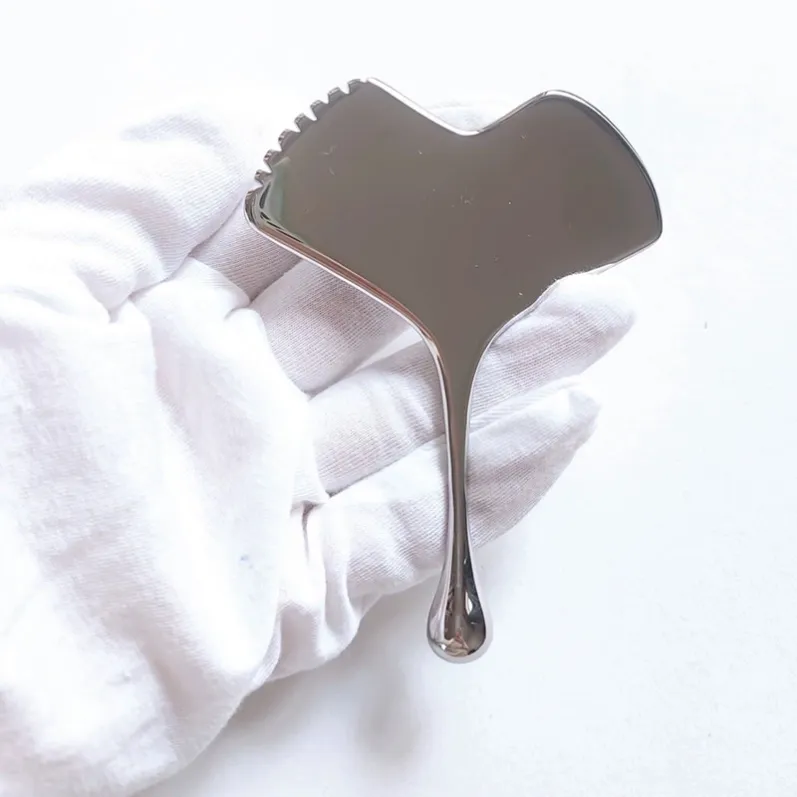
Steel also unlocks shapes stone cannot hold at scale: our new leaf-shaped gua sha with an integrated handle and massage comb edge combines broad scraping, precision edge work and scalp stimulation in one tool — a genuine point of differentiation for launch marketing.
Cost, MOQ and Margin: What Brands Actually Ask
At our factory both categories start at MOQ 100 pcs, so the real decision is positioning, not budget. Stone tool unit costs sit slightly lower at equal order volumes, but steel commands a higher retail price for the same retail footprint — and its near-zero defect/damage rate in shipping quietly protects your margin. Laser engraving and custom finishes (gold, matte black, mirror) are available on steel; stone differentiation comes from shape, size and packaging instead.
So Which Should You Launch?
- Gifting, wellness, bridal, or first-time SKU: start with stone — the heart-shape rose quartz gua sha is the proven entry point.
- Professional channel, minimalist branding, or a "hero tool" story: go stainless steel, and lead with a distinctive silhouette like the leaf shape.
- Want both without doubling risk? Launch one stone + one steel SKU under the same collection page, or bundle them as a "cooling duo" gift set. Many of our clients test both at MOQ 100 each and let sell-through data pick the winner.
FAQ
Is stainless steel or stone better for gua sha?
Stone feels warmer and more traditional; steel is more hygienic, durable and stays cool naturally. For professional use steel wins; for gifting and self-care positioning stone usually converts better.
What MOQ do you need to private label a gua sha?
Our MOQ starts at 100 pcs per SKU, with laser engraving, custom colors and retail packaging available.
Can I mix stone and steel tools in one order?
Yes — mixed-SKU orders are common for collection launches, and each SKU keeps its own 100 pcs MOQ.
Still deciding? Contact us for samples of both categories — we ship stone and steel references together so you can feel the difference before committing. Explore more in our lemon jade gua sha and white jade gua sha collections.